Smart home technology promises convenience. Too often, it delivers chaos instead. If you have ever stood in your living room juggling four separate apps just to dim the lights, unlock the door, and adjust the thermostat, you already know the problem. A professionally installed home automation system is designed to solve exactly that.
Resolutions - Sights, Sounds, Simplicity works with homeowners across Dayton, Hamilton, and Cincinnati to replace that fragmented mess with something that simply works. Here is what is driving this shift in 2026, and why it matters for your home specifically.
The Real Cost of DIY Smart Devices
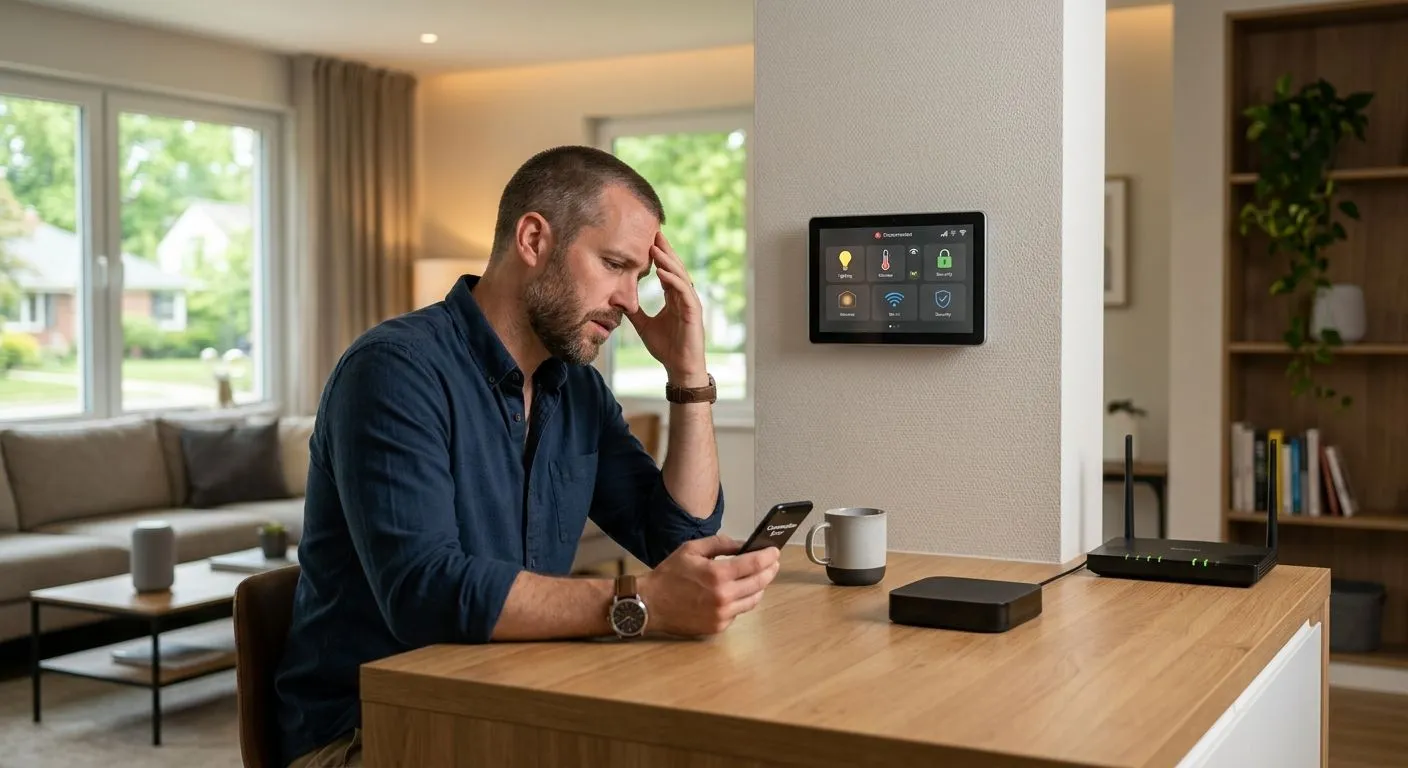
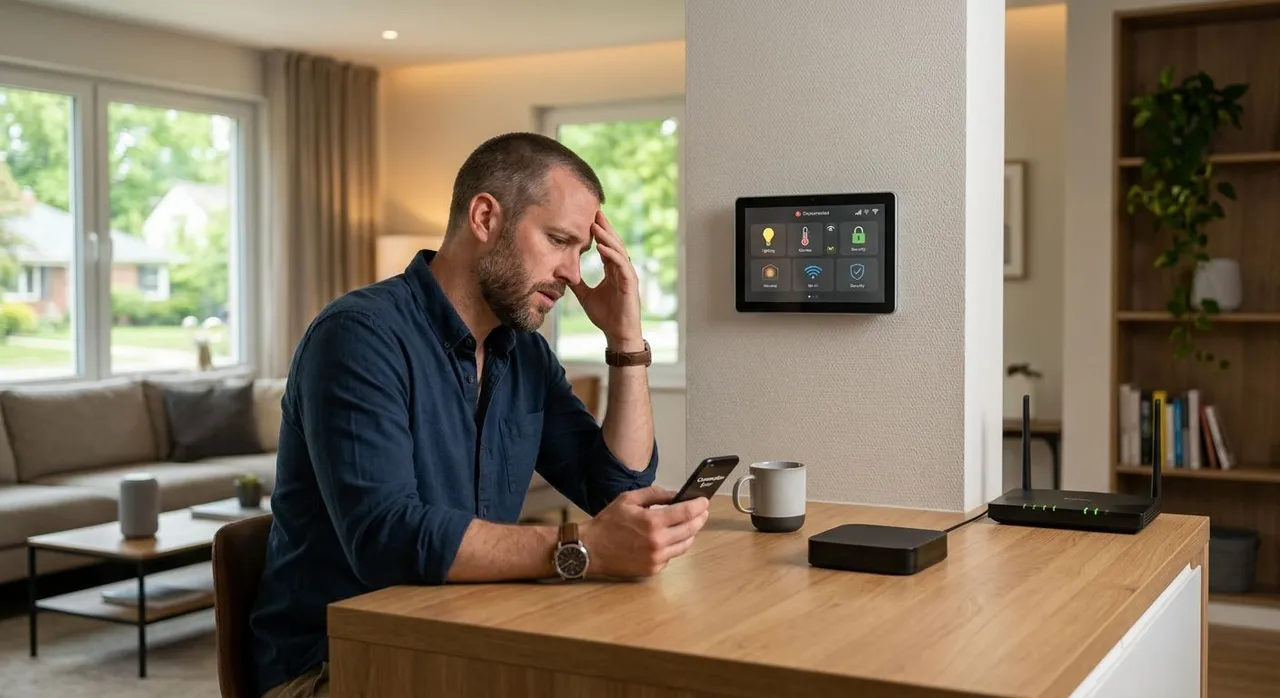
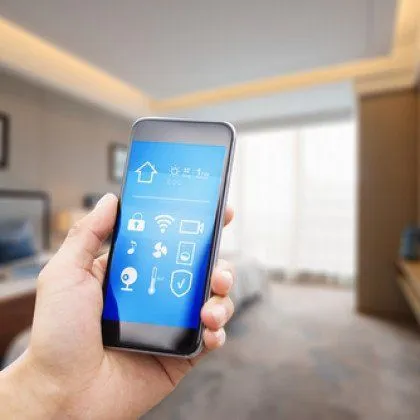
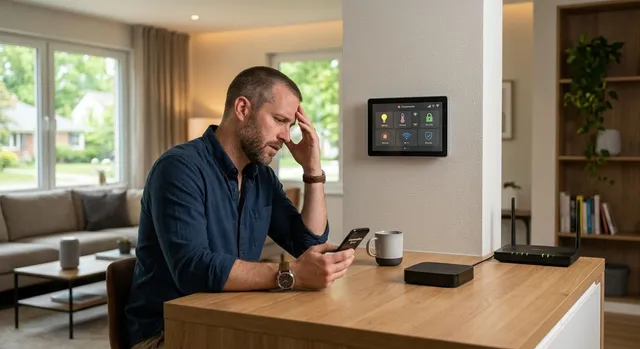
Buying a smart doorbell here, a smart lock there, and a voice-controlled thermostat from a third brand feels efficient. It rarely is. Each device runs its own app. Each app demands its own account, its own updates, and its own troubleshooting path.
The result is a network of disconnected gadgets that do not talk to each other. Your porch camera cannot trigger the front door lock. Your thermostat has no idea when you leave the house. You end up doing the "connecting" manually, which defeats the entire purpose.
Industry data confirms this is widespread. The U.S. smart home market is projected to reach $54.53 billion. Over 51% of American households actively use smart home devices. Yet most of those households report daily frustration with their setups. Owning the devices is not the same as having a smart home.
What a Unified Home Automation System Actually Does
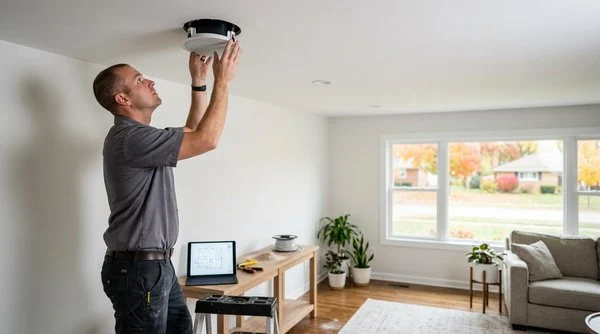
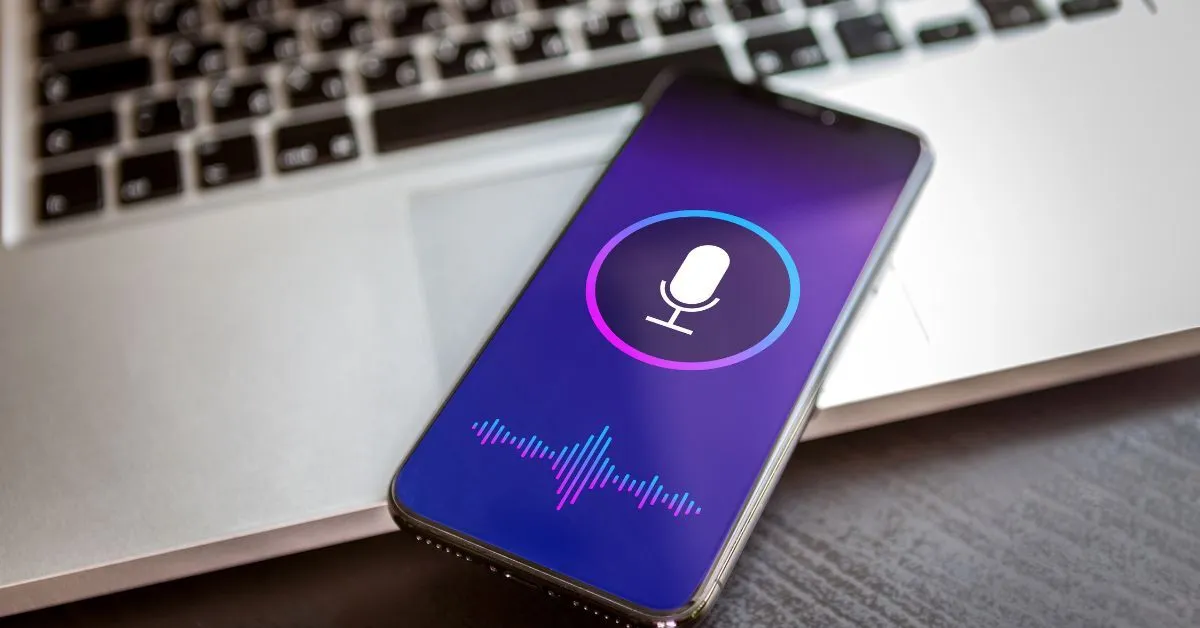
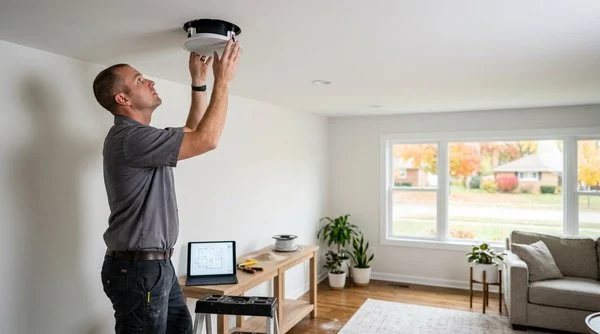
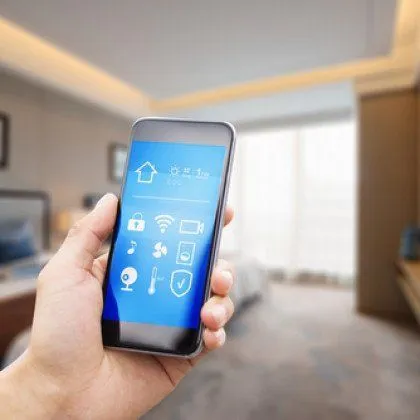
A professionally integrated home automation system ties everything together under a single interface. Platforms like Apple Home with Matter support, Google Home, and Amazon Alexa can serve as that central hub. The difference is in how they are configured.
A professional integration means:
- Your lighting, climate control, security cameras, and intercom all communicate with each other
- Schedules and automations trigger based on real conditions, not manual commands
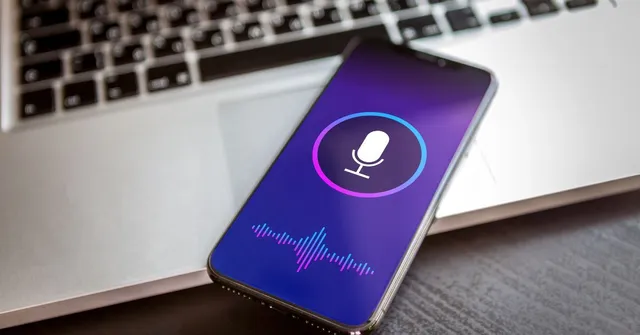
- One app (or voice command) controls everything, reliabl
That last word matters. Reliability is where DIY setups consistently fail.
Why Dayton's Climate Makes Automation Worth It
Dayton and the surrounding region see genuine seasonal extremes. Winters push well below freezing. Summers arrive humid and heavy. That range puts real pressure on your heating and cooling systems.
A unified home automation system can coordinate your smart thermostat and automated window shades as a team. During winter, shades open automatically to capture afternoon sun. That reduces heating load without any manual input. In summer, they close at peak heat hours while the thermostat pre-cools the house before you arrive home.
This kind of coordinated, conditional logic is not possible with separate DIY products. It requires a system that sees all your devices as one network, not a collection of strangers.
Real Estate Value Is Shifting Too
Buyers across the Dayton market are paying attention to what a home includes before they make an offer. Cohesive, pre-configured smart technology is increasingly on that checklist. A home with a single, professionally integrated system is easier to demo, easier to use, and easier to hand off to a new owner.
A collection of mismatched smart gadgets, by contrast, often needs to be reset, reconfigured, or removed entirely. That is not an asset. It is a liability.
Intercoms: The Overlooked Piece of the Puzzle
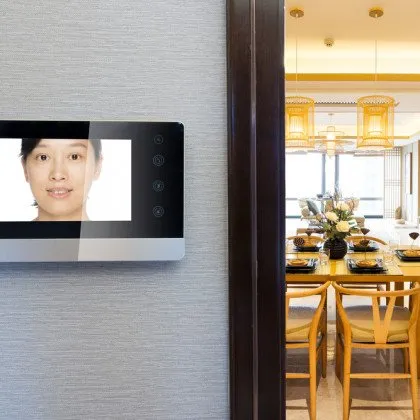
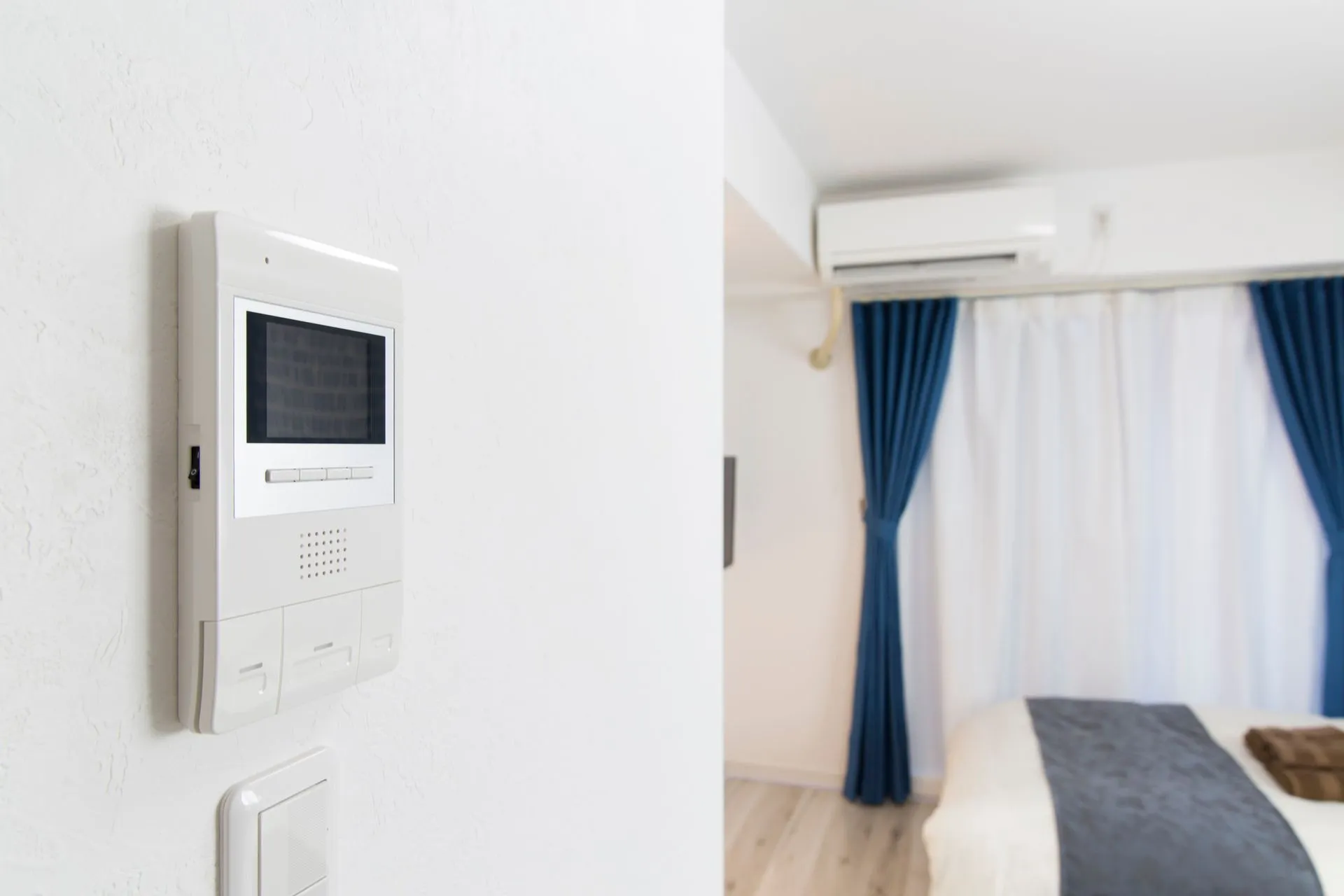
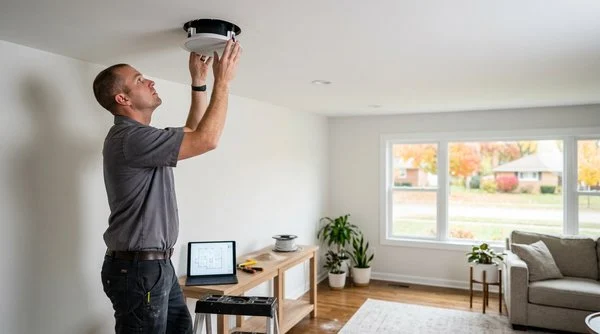
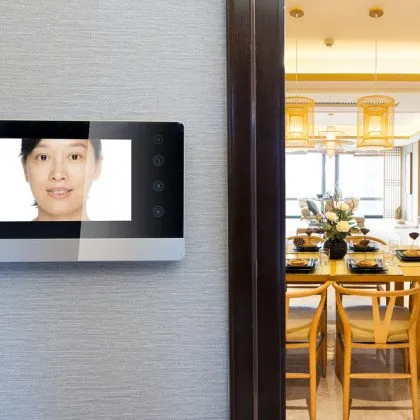
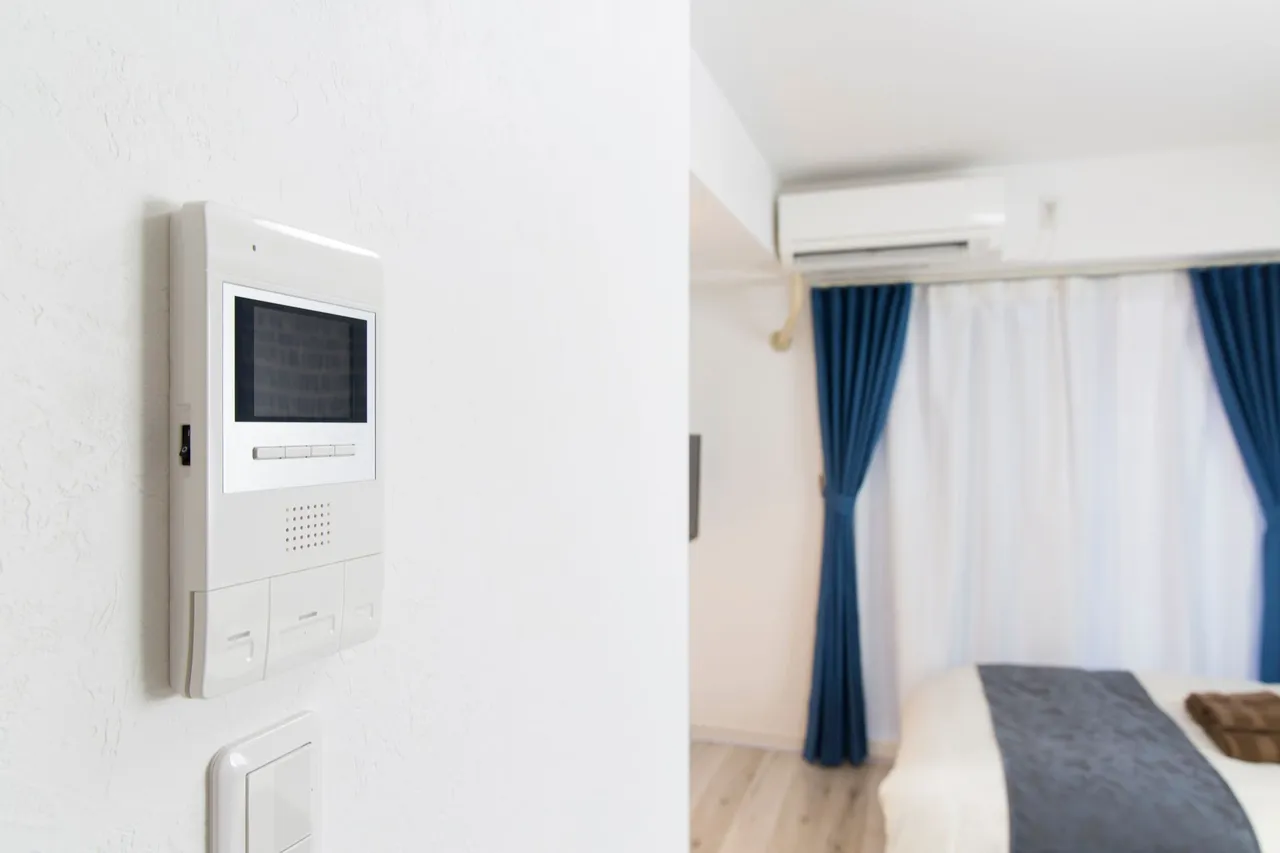
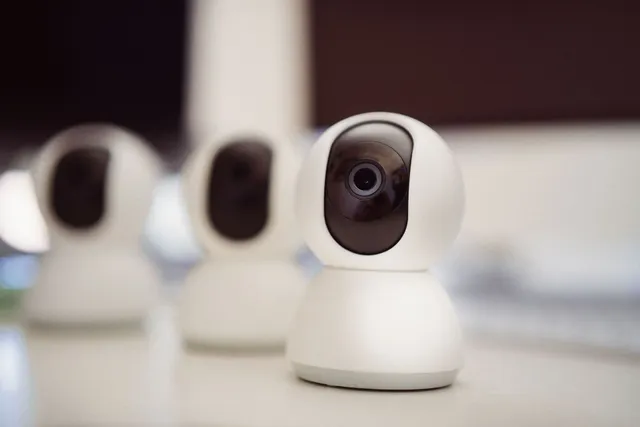
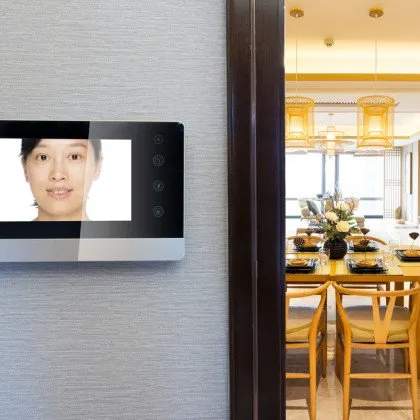
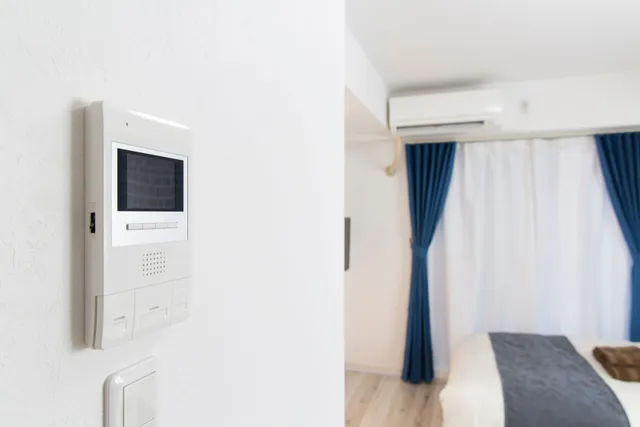
Many homeowners invest in cameras and thermostats but skip the intercom. That is a gap worth closing. A modern intercom system integrated into your home automation platform lets you see, speak with, and grant access to visitors from anywhere in the house, or from your phone across town.
This is especially useful for larger homes in areas like suburban Dayton and Hamilton, where the front door can feel very far from the back of the house. It also adds a meaningful layer of security without requiring a separate app or subscription.
Signs You Need a Professional Integration
Not every setup needs a full overhaul, but some situations clearly call for one.
Consider a professional home automation installation if:
- You manage more than three separate smart home apps
- Your devices drop off the network regularly or require frequent re-pairing
- You have had a smart device fail silently, meaning it stopped working and you did not notice for days
- Your current setup cannot be controlled reliably from outside your home
- You are preparing to list or sell your home and want to present it as genuinely smart
Any one of these is a signal. Multiple are a clear case for a professional assessment.
Frequently Asked Questions
Do I have to replace all my existing smart devices to get a unified system?
Not necessarily. Many current smart devices support open standards like Matter, which allows them to work within a professionally configured platform. A trained integrator can assess what you already own and build around it where possible.
How long does a professional home automation installation take?
It depends on the scope. A focused integration covering lighting, climate, and a couple of security devices can often be completed in a single day. Larger whole-home setups take longer and are typically planned in stages.
Is a unified home automation system hard to use after installation?
That is actually the main advantage. The point of professional integration is simplicity. After setup, most homeowners find they interact with their home through a single app or voice commands, far less complex than what they managed before.
Does a smart home system work if my internet goes down?
Most modern systems retain local control for core functions even without internet access. Features that require cloud connectivity, such as remote access from your phone, will be temporarily unavailable. However, lights, locks, and climate can still operate normally in most configurations.
Ready to replace app overload with a system that actually works for your home?
Contact Resolutions to schedule a home automation consultation in Dayton.