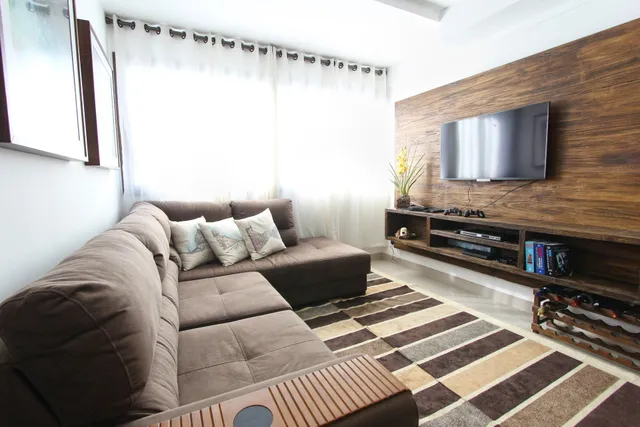
Home Theater Installation: Hidden Audio, Big Sound
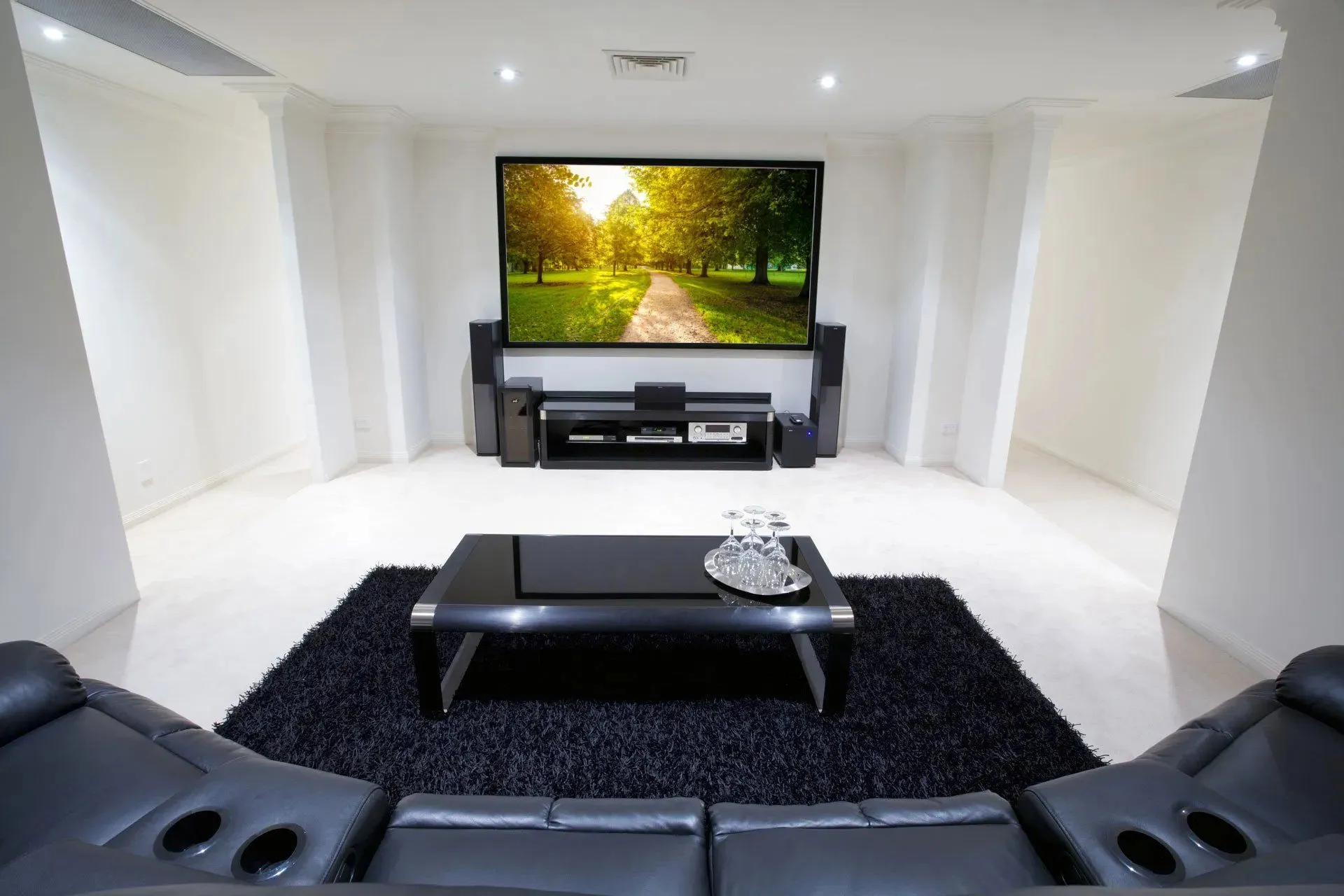
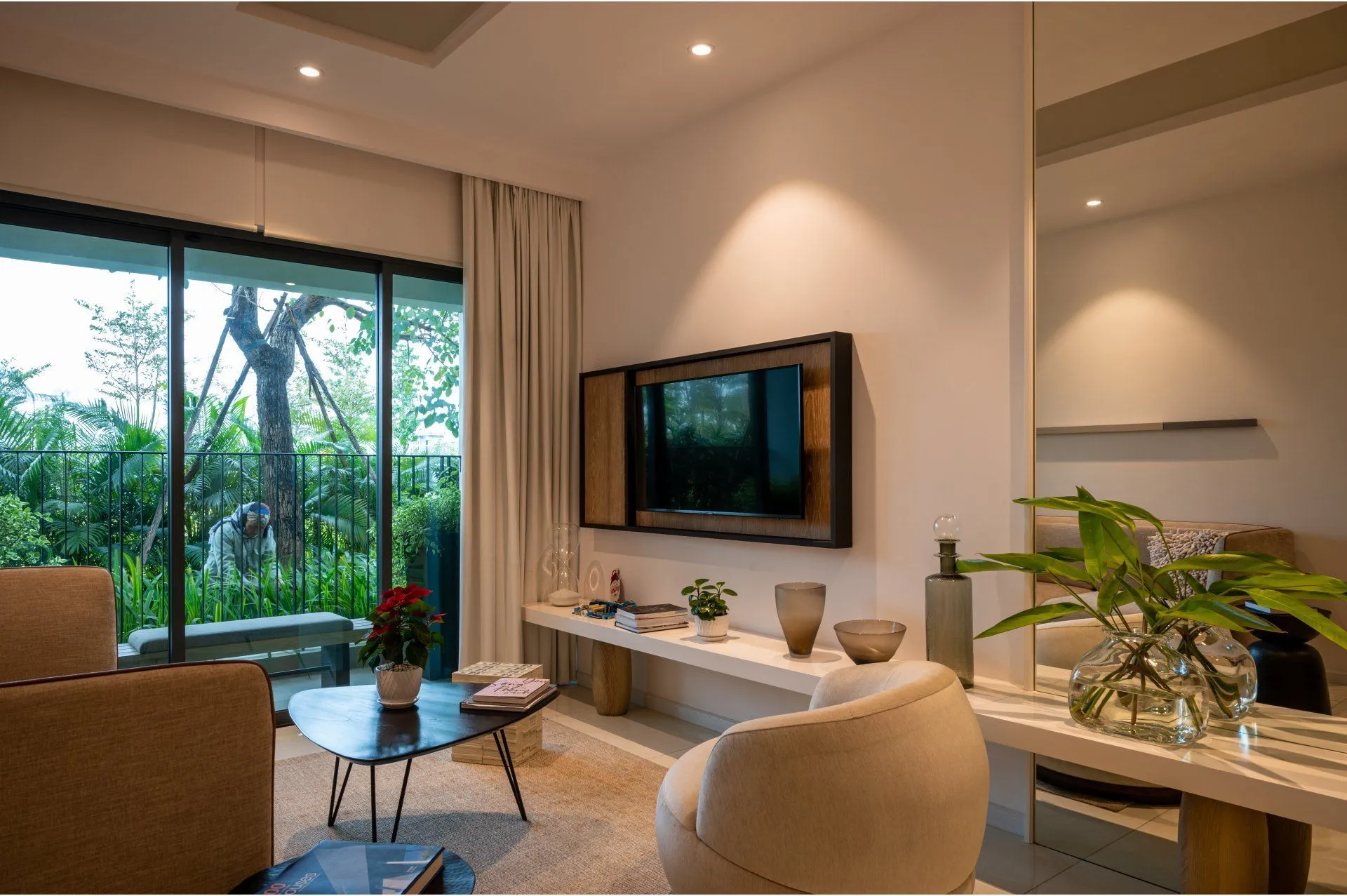
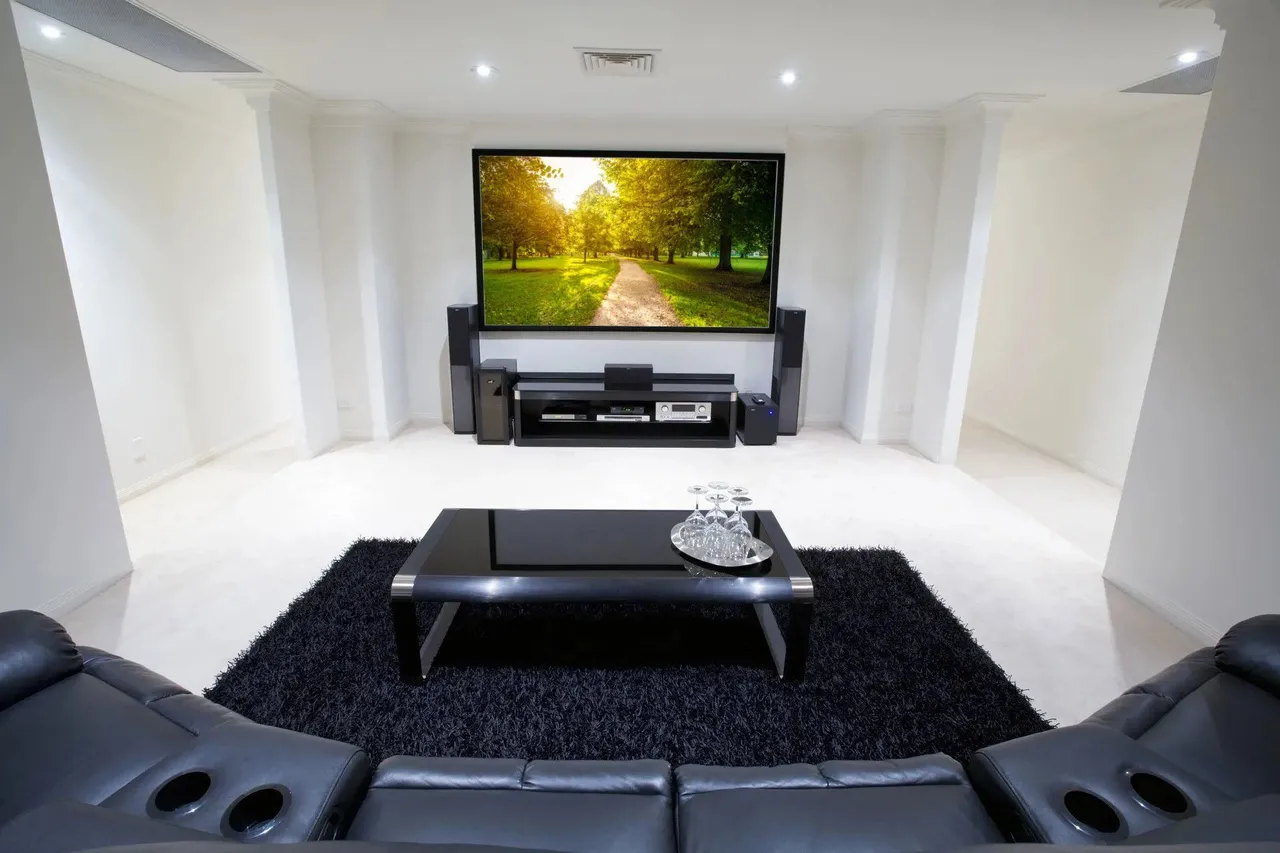
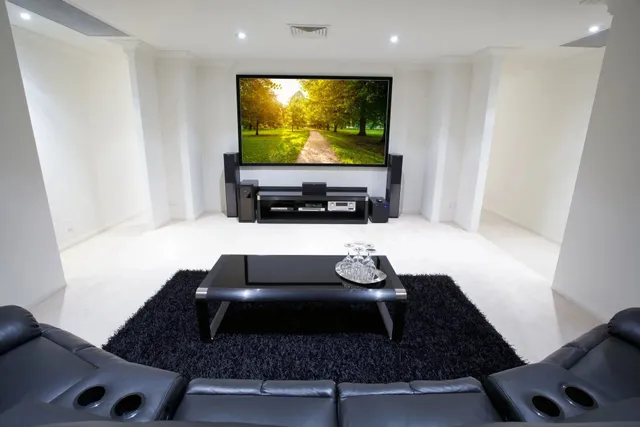
A professional home theater installation delivers immersive, cinema-quality sound without cluttering your living space with bulky equipment. If you've been putting off building your dream home theater because you don't want visible wires or floor-standing speakers dominating the room, 2026 is the year that problem is officially solved.
Resolutions - Sights, Sounds, Simplicity has been helping Dayton homeowners transform ordinary rooms into extraordinary entertainment spaces. The technology available today is genuinely remarkable. And the gap between a DIY setup and a professionally designed system has never been wider.
Why Most DIY Home Theaters Fall Short
DIY home theater setups almost always start with good intentions. You buy a soundbar, mount a big TV, add a streaming device, and call it done. But over time, the limitations become obvious.
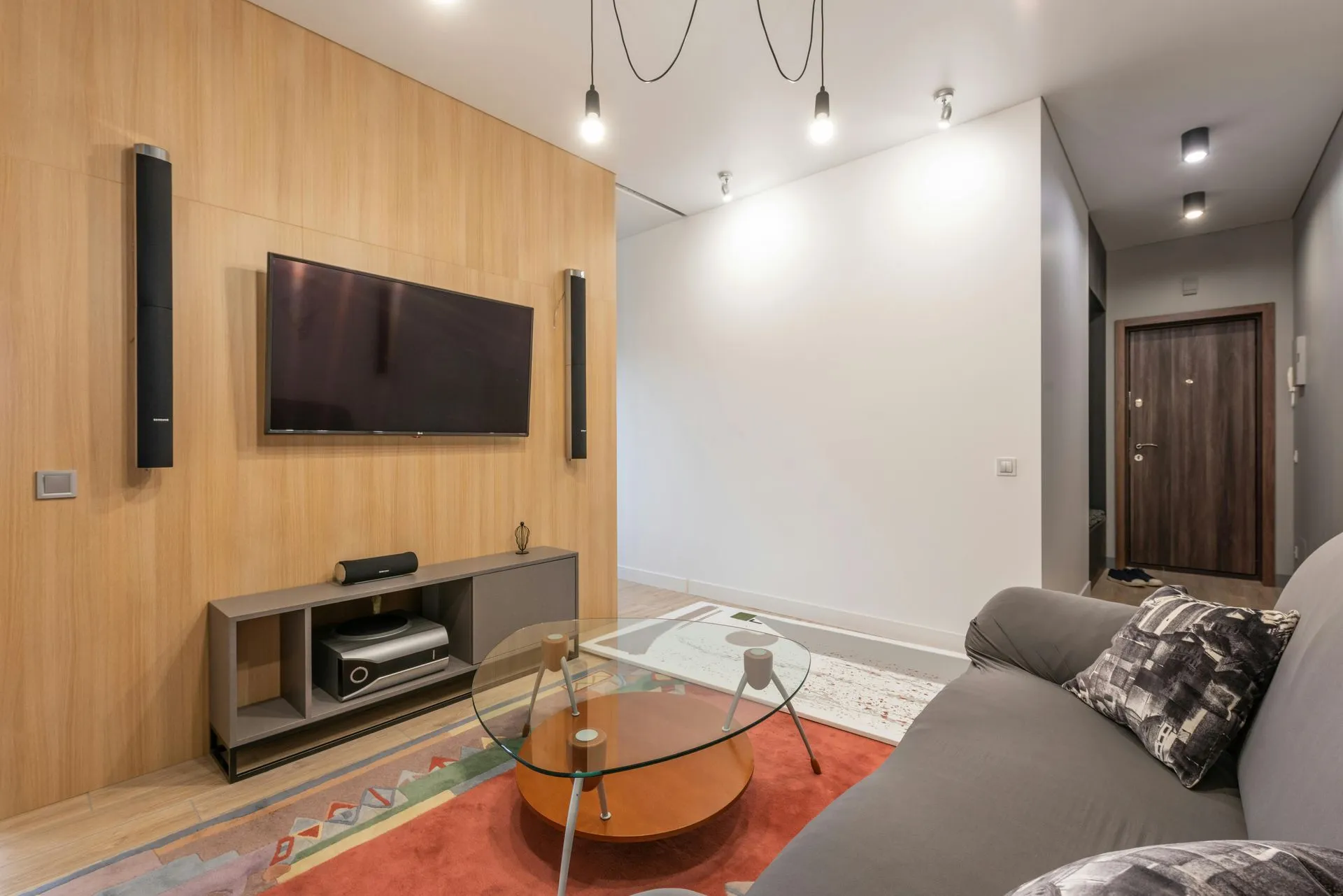
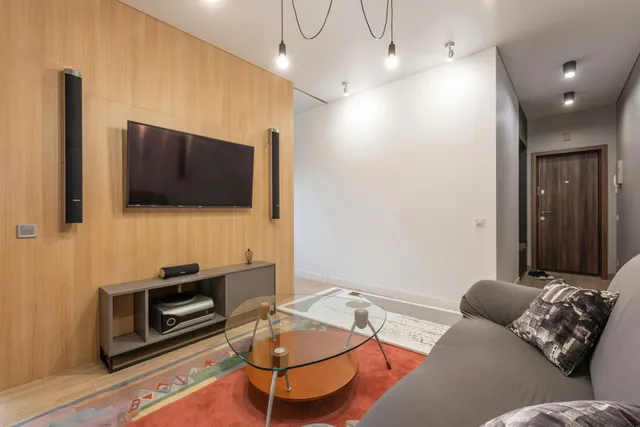
Audio coverage is uneven. Certain seats in the room sound great; others feel disconnected from the action on screen. Cables run across baseboards. The room that was supposed to feel like a cinema ends up feeling like a living room with a big screen.
The deeper issue is design. A truly immersive home theater requires acoustic planning, not just equipment purchasing.
The Rise of Invisible, Architectural Audio
The fastest-growing segment in premium home entertainment right now is architectural audio. This market has reached a value of $6.08 billion in 2026, and it's growing precisely because homeowners refuse to sacrifice their room's aesthetic for great sound.
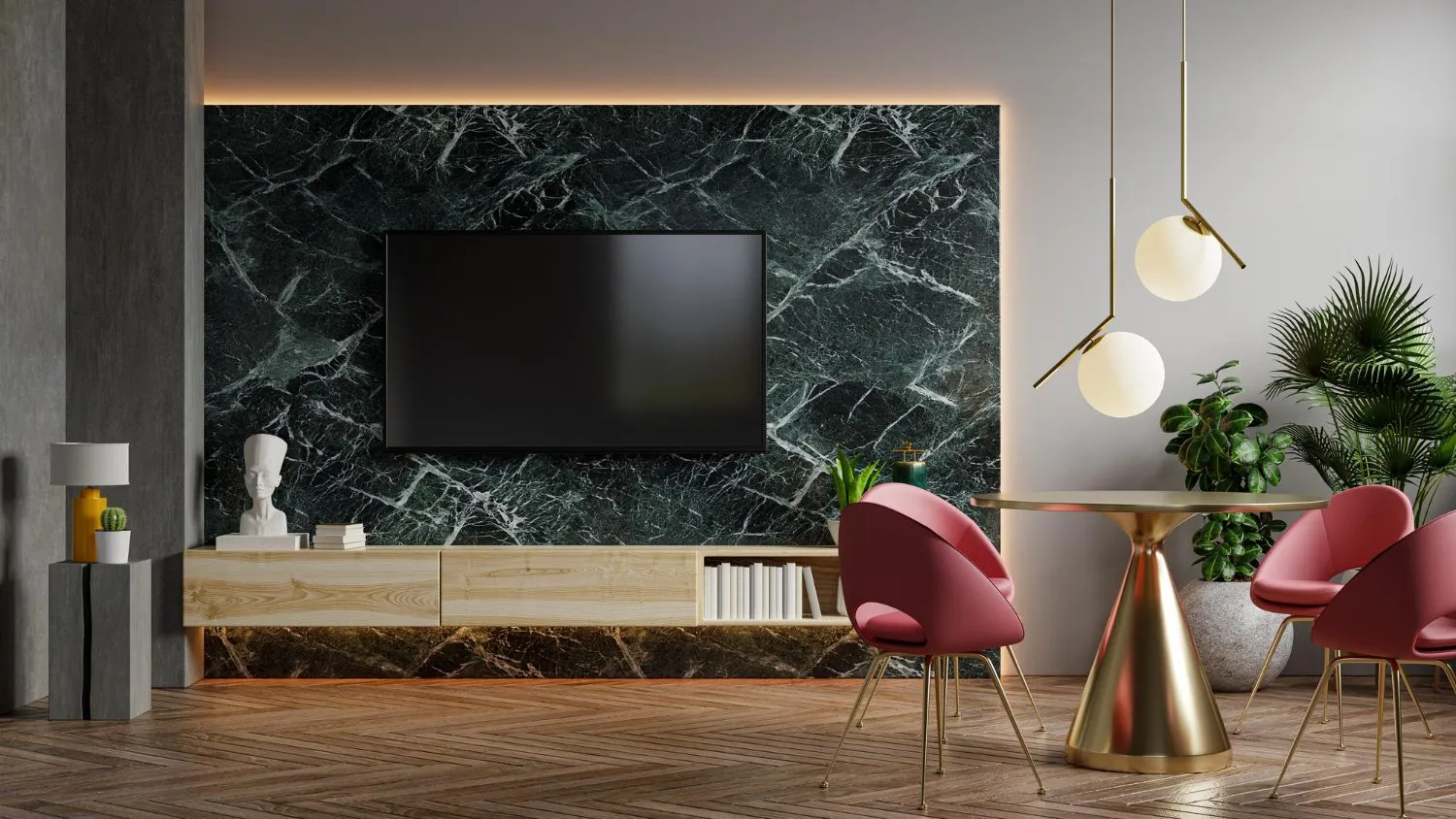
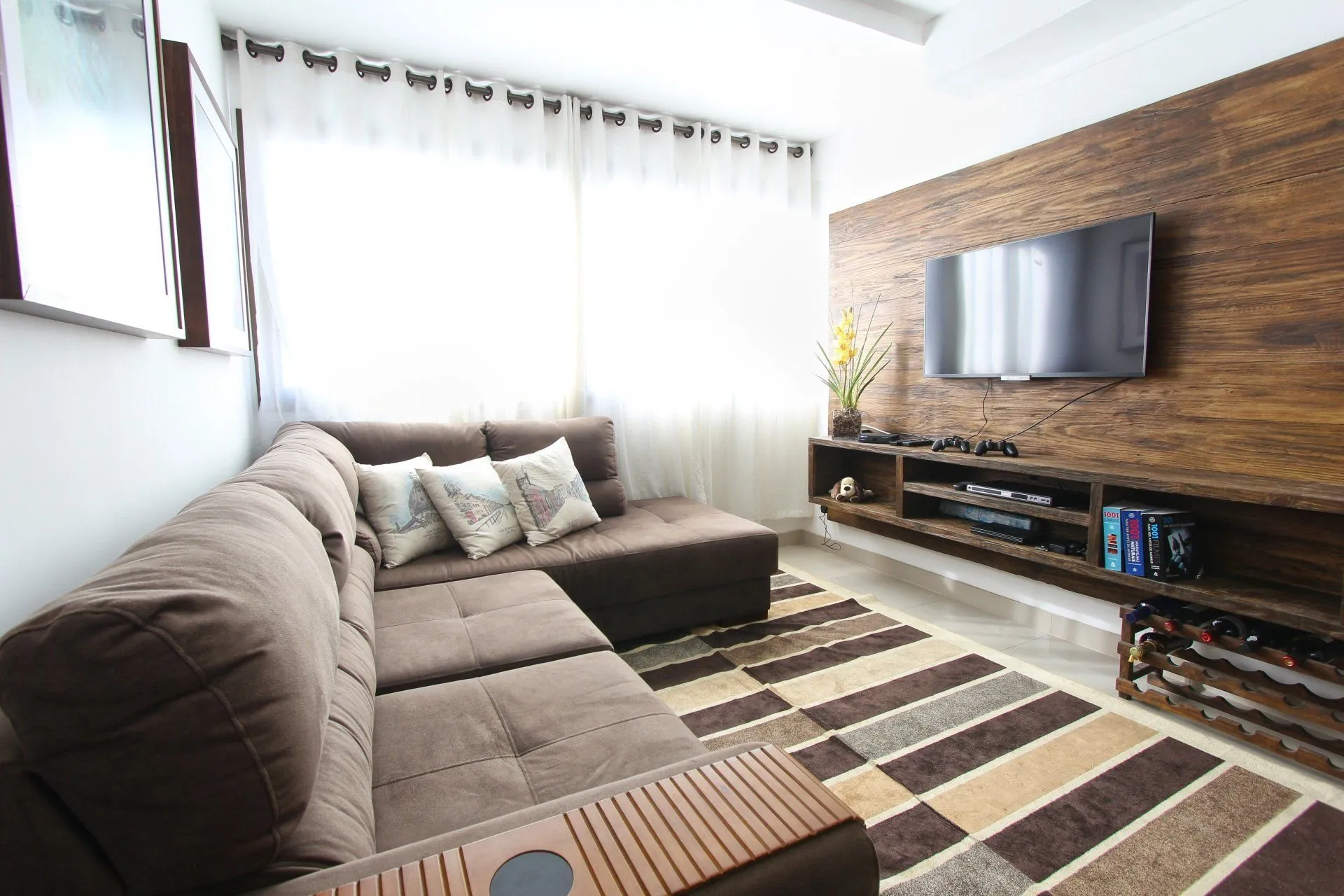
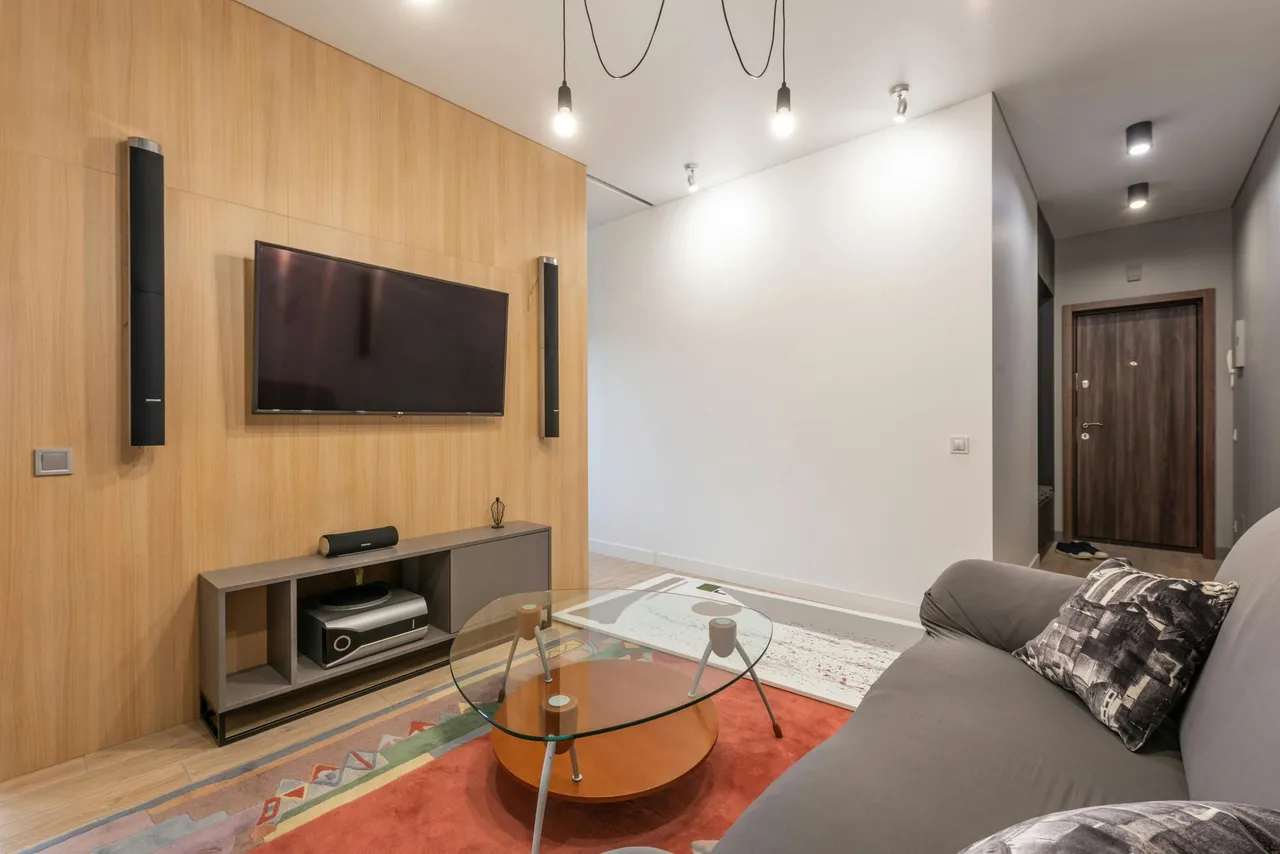
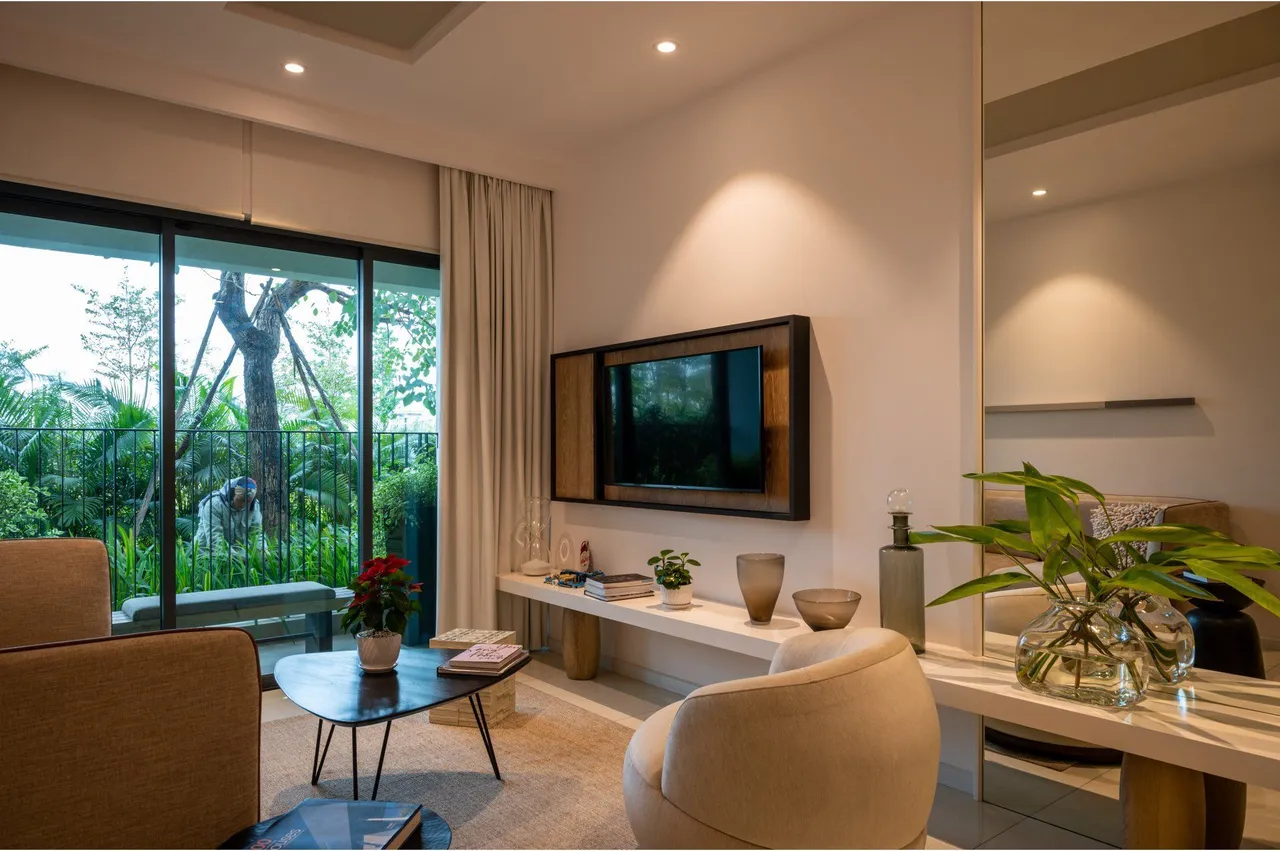
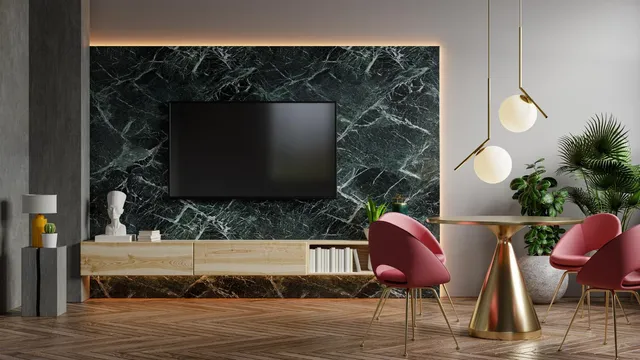
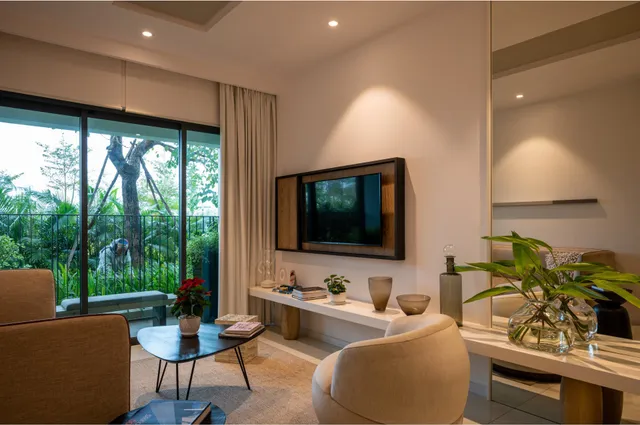
Architectural speakers are built directly into walls and ceilings. They sit flush behind paint-matched grilles or specialty fabrics, completely invisible to anyone entering the room. You hear them clearly. You never see them.
Here's what that means in practice for your home:
- No floor-standing speakers taking up square footage or collecting dust
- No visible wiring running along walls or under rugs
- Full surround sound coverage, including overhead Dolby Atmos channels for true three-dimensional audio
- Paint-matched grilles that blend seamlessly with your existing decor
- Consistent audio quality at every seat in the room, not just the "sweet spot"
The overall home theater system market is valued at $13.99 billion in 2026. The architectural segment's rapid growth signals clearly that homeowners want performance and elegance, not a compromise between the two.
What Dolby Atmos Actually Requires
Dolby Atmos is the gold standard for immersive home audio. Instead of sound moving left-to-right like traditional surround sound, Atmos places audio in a three-dimensional space around you. Sounds move above you, behind you, and past you with precision.
Achieving that requires overhead speaker placement. In a standard room, that means ceiling-mounted drivers. Done professionally, those drivers disappear entirely into the ceiling surface. Done improperly, they create awkward visible patches, inconsistent coverage, and phase issues that actually degrade the listening experience.
Professional home theater installation accounts for ceiling height, room dimensions, reflective surfaces, and seating positions before a single hole is cut. The math matters. The planning matters. Getting it right the first time saves you from expensive corrections later.
The Dayton Living Room Challenge
Dayton homes present a specific design context worth acknowledging. Many properties in the area feature open-plan living spaces where the "home theater" shares square footage with a dining area or main living room. That layout makes dedicated speaker placement even more critical.
Ceiling-mounted and in-wall speakers solve the open-plan problem elegantly. Audio fills the intended listening zone without overwhelming adjacent spaces. Acoustic design accounts for the room's actual shape, not just a generic blueprint.
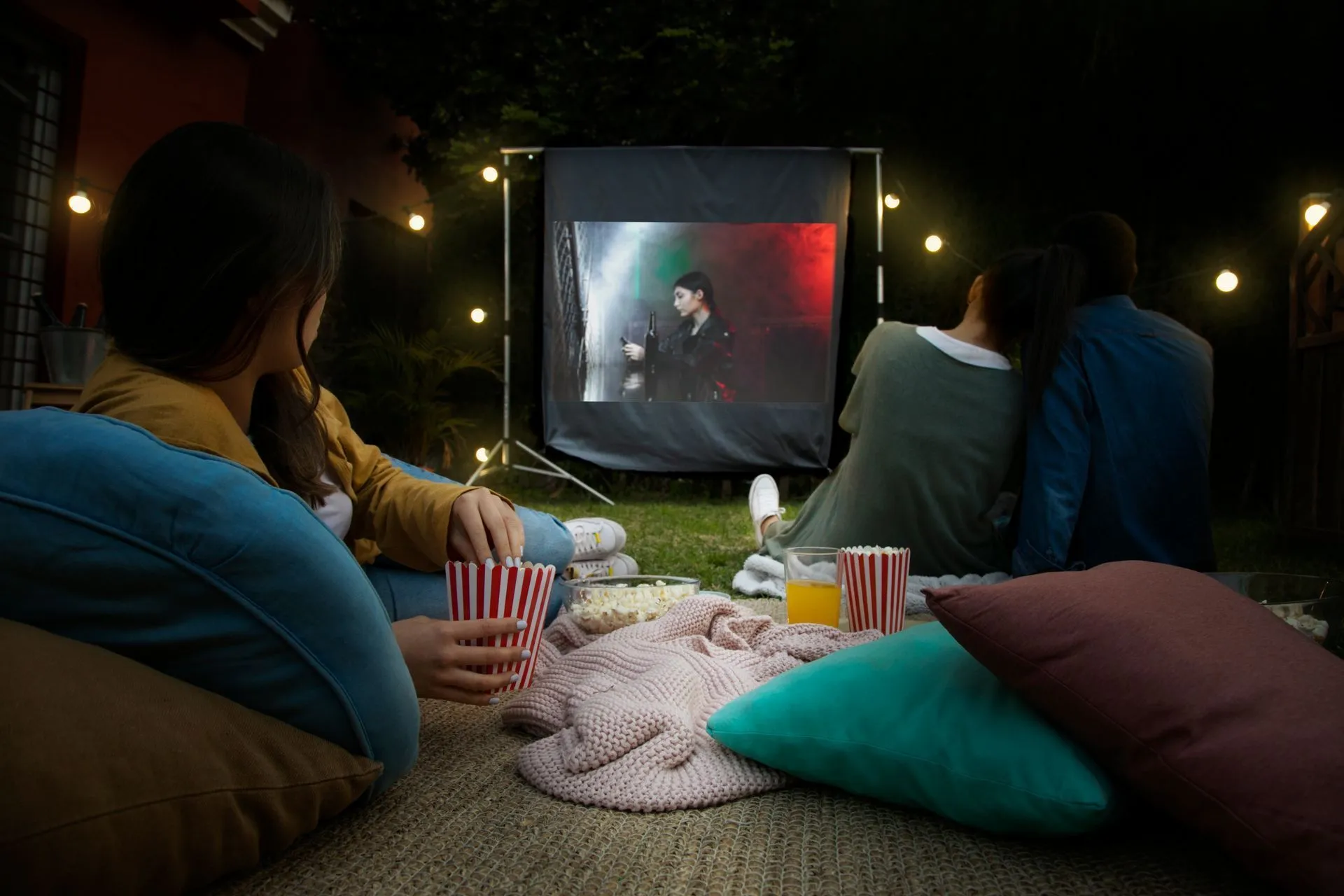
As autumn arrives in the Dayton area, families naturally spend more time indoors. September is exactly when homeowners start thinking seriously about upgrading their entertainment experience before the season of movie nights and weekend watchings fully sets in. Getting a professional installation scheduled now means your system is dialed in and ready.
What a Professional Installation Actually Includes
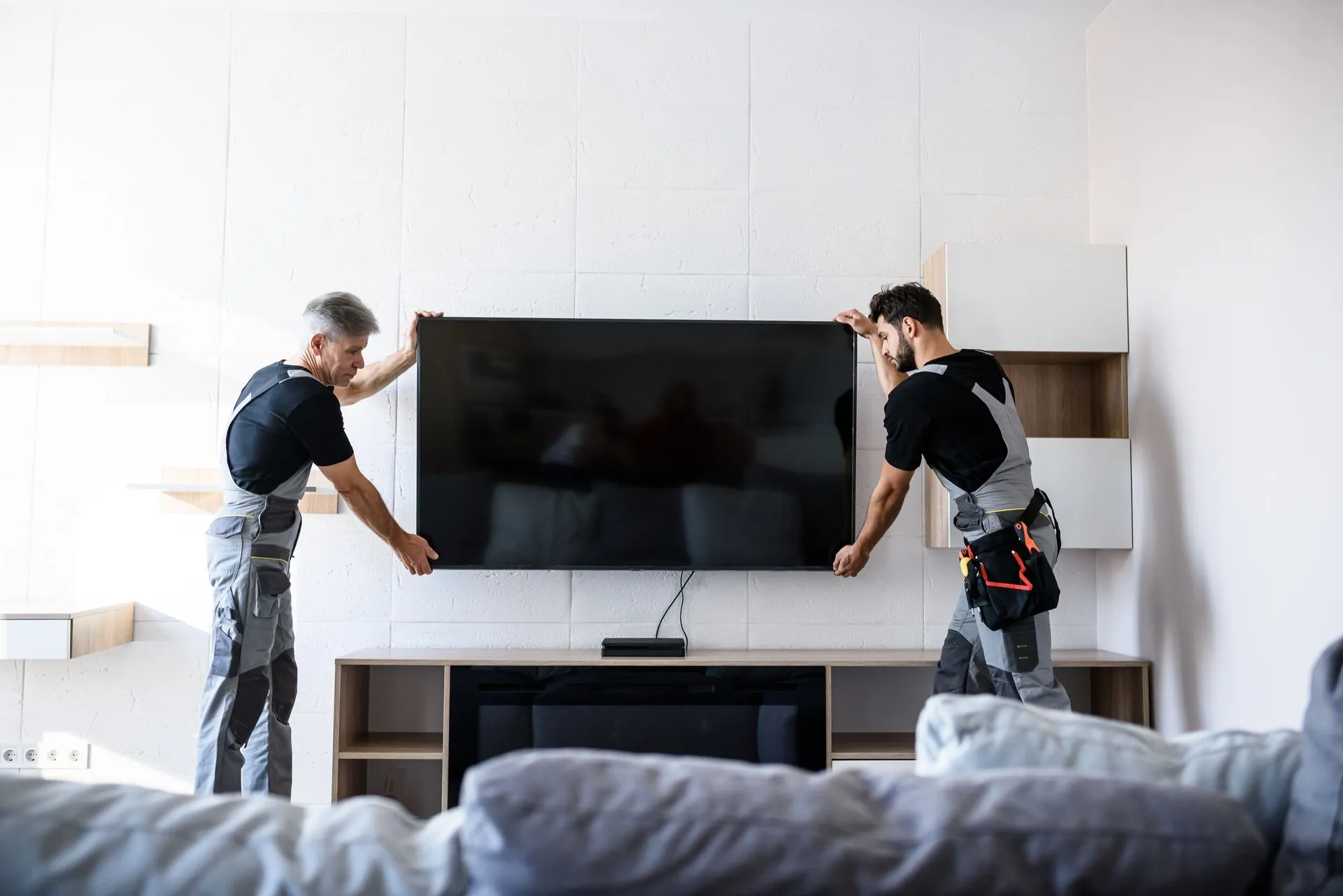
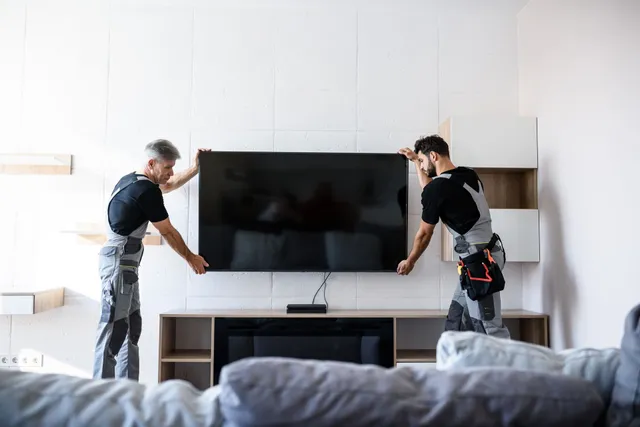
A professional home theater installation is far more than mounting speakers and plugging in cables.
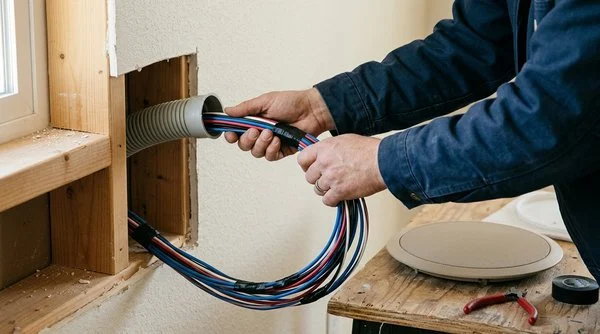
Here's what a proper installation process covers:
- Room assessment: Measuring dimensions, identifying wall and ceiling materials, and locating studs and utilities
- Acoustic planning: Mapping optimal speaker positions for each channel, including overhead Atmos drivers
- In-wall cable routing: Running audio, video, and power cabling cleanly inside walls before any speaker cutouts are made
- Equipment integration: Connecting all components through a centralized system for single-interface control
- Calibration: Using measurement tools to tune speaker output levels, timing, and equalization to your specific room
- Final walkthrough: Ensuring you understand how to operate every feature of your new system confidently
That final calibration step is one most DIY installers skip entirely. Uncalibrated speakers in an unconfigured room sound dramatically worse than their specifications suggest. Professional calibration is often where the real magic happens.
Frequently Asked Questions
Can architectural speakers really match the sound quality of traditional floor-standing speakers?
Yes, in many cases they can. Modern in-wall and in-ceiling speakers use high-quality drivers and sophisticated crossover designs. When properly placed and calibrated by a professional, they deliver audio performance that rivals or exceeds traditional speaker setups, without taking up any floor space.
How disruptive is the installation process?
For most rooms, installation is completed in a single visit or across two shorter appointments. Cable routing through finished walls is done cleanly and with minimal drywall disruption. Your installer patches and finishes any access points as part of the process.
Do I need a dedicated room for a home theater, or can it be a shared living space?
A dedicated room gives you the most control over acoustics and light, but it isn't required. Professional designers regularly create excellent home theater experiences in shared living rooms, open-plan spaces, and bonus rooms. The key is planning the system around the actual room, not a generic template.
Can my new home theater system be integrated with the rest of my home's technology?
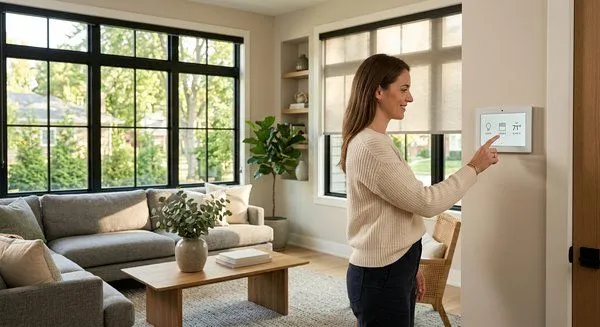
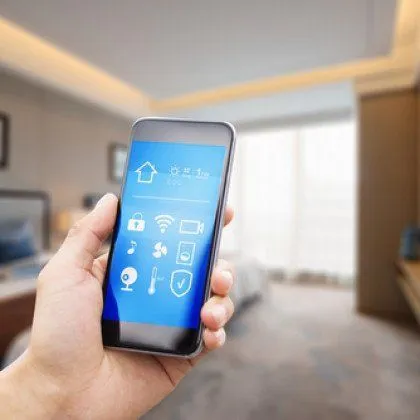
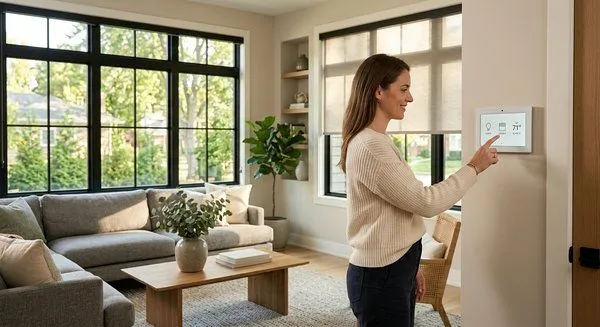
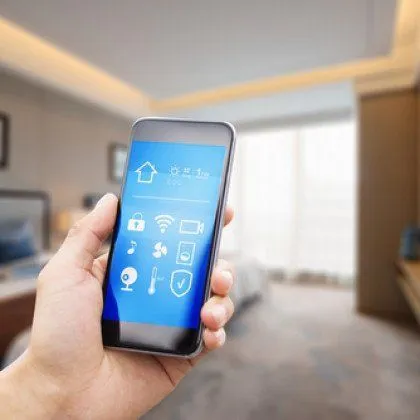
Absolutely. A professionally installed system can connect with your home automation setup, allowing lighting, shading, climate, and audio-visual controls to work together through a single interface.
How do I get started with Resolutions?
Reach out directly to schedule a consultation. The team will assess your space, discuss your goals, and design a system built specifically for your home.
Ready to stop settling for good enough and start experiencing truly great home audio? Contact Resolutions - Sights, Sounds, Simplicity to schedule your home theater consultation in Dayton, Hamilton, or Cincinnati today.